

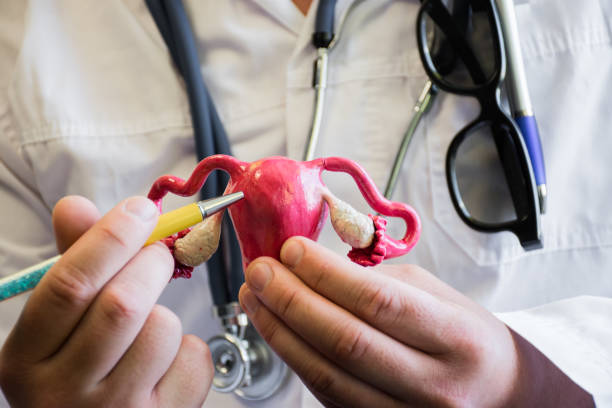
Endometriosis is often misunderstood as a condition that only involves painful periods. However, this oversimplifies the complexity of the disease, leading to delays in diagnosis and inadequate treatment for millions of individuals worldwide. It is crucial to understand the full scope of endometriosis and dispel the myth that it is simply “bad period cramps.
What Is Endometriosis?
– Ovaries
– Fallopian tubes
– Pelvic lining
– Bowels
– In rare cases, distant organs such as the lungs
Unlike menstrual cramps, which are a natural part of the menstrual cycle for some people, endometriosis can cause debilitating pain that is not limited to menstruation.
Symptoms Beyond Menstrual Cramps
The symptoms of endometriosis extend beyond painful periods (dysmenorrhea).
- Chronic pelvic pain
- Pain during intercourse (dyspareunia)
- Painful bowel movements or urination, particularly during menstruation
- Severe fatigue
- Nausea and gastrointestinal issues such as bloating or diarrhea (often mistaken for IBS)
Some individuals experience no obvious symptoms but still face complications like infertility.
| Symptom | Frequency Among Patients (%) | Notes |
| Chronic pelvic pain | 70–80% | Can occur even outside menstrual cycles |
| Dysmenorrhea | 90% | Often misdiagnosed as “normal” period pain |
| Dyspareunia | 40–50% | Impacts quality of life significantly |
| Fatigue | 50–60% | Overlaps with other conditions like fibromyalgia |
Why It’s Not “Just Cramps”
Endometriosis causes systemic inflammation in addition to local tissue damage. The displaced endometrial-like tissue responds to hormonal changes just like regular uterine lining does—thickening, breaking down, and bleeding with each cycle. However, unlike normal menstruation where blood exits the body through the vagina, this blood becomes trapped within surrounding tissues.
- Scar Tissue Formation– Adhesions form when tissues stick together abnormally, causing further dysfunction and pain.
- Cysts– Known as endometriomas or “chocolate cysts,” these fluid-filled sacs may develop on ovaries.
- Nerve Involvement– Some lesions directly affect nearby nerves, intensifying pain sensations.
Psychological and Social Impact
The chronic nature of endometriosis can take an emotional toll on individuals who suffer from it. Frequent pain attacks may lead to anxiety over daily activities or intimacy issues due to dyspareunia.
- Work productivity may decline due to regular absences caused by pain or fatigue.
- Relationships might strain because partners often do not fully understand its severity.
- Mental health disorders such as depression are more prevalent among those with unmanaged symptoms.
Dispelling Harmful Misconceptions
Labeling endometriosis as “just bad cramps” invalidates patient experiences and dismisses their suffering. It also contributes to delayed diagnoses—on average taking 7–10 years from symptom onset—because healthcare providers may underestimate its severity.
Treating patients holistically through medical management (e. g. , hormonal therapies), surgical intervention when needed (e. g. , excision surgery), and psychological support can improve outcomes significantly.
Understanding that endometriosis is a multifaceted disease affecting physical, mental, and social well-being, rather than merely “menstrual discomfort,” fosters empathy and encourages better care strategies for patients worldwide.
Finding an Endometriosis Specialist in Washington DC to Address Common Misconceptions
A commonly perpetuated myth surrounding endometriosis is that pregnancy serves as a cure for this chronic condition. While pregnancy may temporarily alleviate some symptoms for certain individuals, it is not an effective or permanent solution. Here’s a deeper dive into why this misconception persists and why it does not hold true.
Origins of the Myth
The belief that pregnancy cures endometriosis likely stems from historical observations of symptom relief during pregnancy. Changes in hormone levels, particularly increased progesterone, can lead to a reduction in pain and other symptoms associated with the condition. However, this temporary relief should not be mistaken for a cure.
Why Pregnancy Does Not Cure Endometriosis
Endometriosis is a complex condition with no single definitive cause or cure. Pregnancy may mask symptoms, but it does not address the underlying issue—endometrial-like tissue growing outside the uterus.
- Hormonal Changes are Temporary: During pregnancy, elevated progesterone levels may suppress endometrial tissue growth. However, once hormonal levels return to normal postpartum, symptoms can reappear.
- Not All Cases Improve: For some individuals, endometriosis-related symptoms persist or even worsen during pregnancy due to factors such as adhesions or inflammation.
- Tissue Remains: The abnormal endometrial-like tissue does not disappear during pregnancy. It remains in the body and can continue to cause pain and other complications.
Common Postpartum Realities for Those with Endometriosis
After childbirth, many people experience a resurgence of their endometriosis symptoms.
- Resumption of Menstrual Cycles: Hormonal fluctuations tied to menstruation often reignite symptoms.
- Breastfeeding Impact: While breastfeeding may delay ovulation and menstruation in some cases (temporarily relieving symptoms), it cannot prevent the progression of endometriosis long-term.
- Delayed Treatment: Believing that pregnancy will resolve their condition may lead some individuals to postpone seeking appropriate treatment.
Alternatives to Long-Term Symptom Management
Effective management of endometriosis requires a comprehensive approach tailored to each individual’s needs.
- Oral contraceptives
- GnRH agonists/antagonists
- Progestin therapy
- Laparoscopy to remove lesions
- Excision surgery for more severe cases
- Anti-inflammatory diets
- Regular exercise
- Stress management techniques
- Over-the-counter or prescription medications
- Pelvic physical therapy
| Treatment Type | Pros | Cons |
| Hormonal Treatments | Non-invasive; regulates hormones | Side effects; not suitable for all |
| Surgical Interventions | Can directly remove lesions | Invasive; potential recurrence |
| Lifestyle Adjustments | Low-risk; improves overall health | Requires time/commitment |
| Pain Management | Immediate relief | Does not treat underlying cause |
Key Takeaways
While pregnancy can temporarily reduce certain symptoms associated with endometriosis due to hormonal changes, it is neither a cure nor an appropriate treatment strategy for most individuals living with this condition. It’s essential for those affected by endometriosis to access accurate information and work closely with healthcare providers to develop personalized care plans that address both short-term relief and long-term health outcomes.
Understanding that effective management often includes a combination of medical interventions and lifestyle changes empowers individuals coping with this challenging condition to make informed decisions about their care.
Understanding Endometriosis and the Benefits of Surgery in Washington DC
Endometriosis is often misunderstood as a condition that solely affects the reproductive system. However, this chronic disease can impact various other bodily systems, significantly influencing overall health and quality of life. Understanding its far-reaching effects is essential for both patients and healthcare providers.
The Systemic Nature of Endometriosis
While endometriosis primarily involves the growth of endometrial-like tissue outside the uterus, it can extend beyond the pelvic region. These misplaced tissues can trigger inflammation, scarring, and organ dysfunction throughout the body.
- Digestive System:
Many individuals with endometriosis report gastrointestinal symptoms such as bloating, diarrhea, constipation, or nausea. This is particularly common when the condition affects organs like the bowel or rectum. - Urinary System:
Endometrial lesions can attach to or invade structures like the bladder or ureters, leading to painful urination (dysuria), urinary urgency or frequency, and even blood in urine. - Musculoskeletal System:
Chronic pelvic pain caused by endometriosis can lead to secondary issues like tension in surrounding muscles or referred pain to areas such as the lower back and thighs. - Nervous System:
Studies suggest that prolonged inflammation from endometriosis may alter nerve pathways, contributing to heightened pain sensitivity—a process known as central sensitization. This can result in widespread pain even in areas not directly affected by lesions.
Common Symptoms Outside Reproductive Health
| Bodily System | Common Symptoms |
| Digestive | Bloating (“endo belly”), nausea, IBS-like symptoms |
| Urinary | Painful urination, blood in urine |
| Musculoskeletal | Back pain, hip pain |
| Nervous | Chronic fatigue, headaches |
Mental Health Impacts
The physical toll of endometriosis often leads to psychological challenges.
- Anxiety related to symptom management.
- Depression stemming from chronic illness burdens.
- Social isolation due to limitations caused by pain or fatigue.
It is crucial for care plans to address mental health alongside physical symptoms.
Rare but Significant Complications
- Thoracic Endometriosis Syndrome (TES): This occurs when endometrial tissue grows in or around the lungs. Symptoms might include chest pain and difficulty breathing during menstruation.
- Diaphragmatic Involvement: Some individuals experience shoulder pain due to irritation near the diaphragm caused by lesions.
These cases highlight how unpredictable and widespread endometrial tissue growth can be.
Managing Whole-Body Effects
Given its systemic nature, managing endometriosis requires a multidisciplinary approach that goes beyond gynecological care.
- Working with gastroenterologists for bowel-related symptoms.
- Consulting urologists if urinary tract involvement occurs.
- Collaborating with physical therapists for musculoskeletal support.
- Accessing mental health professionals for emotional well-being.
Patients benefit most when treatment plans are tailored not only to alleviate reproductive symptoms but also address secondary effects on other systems in their bodies.
Understanding how deeply this condition impacts overall health fosters greater awareness and empathy toward those living with it while emphasizing the need for comprehensive care strategies tailored to each individual’s unique experiences with endometriosis.
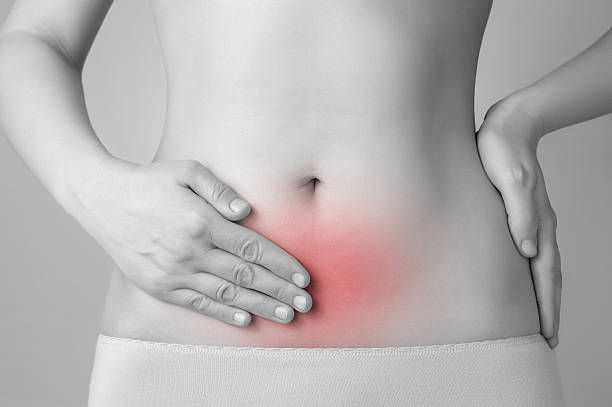
Finding the Right Endometriosis Doctor in Washington DC: Understanding the Impact Beyond Reproductive Health
Endometriosis is often viewed as a condition solely affecting the reproductive system, but its impact extends far beyond. While the disease is characterized by the presence of endometrial-like tissue outside the uterus, it can lead to systemic effects that influence multiple parts of the body. Understanding these broader implications is essential for comprehensive care and support for those living with this condition.
Systems Impacted by Endometriosis
- Gastrointestinal System– Many individuals with endometriosis report digestive symptoms, such as: – Bloating – Nausea – Diarrhea or constipation – Painful bowel movements (especially during menstruation) – Endometriosis lesions can form on or near organs like the intestines or rectum, exacerbating these issues.
- Urinary System – Bladder-related symptoms may include: – Painful urination – Increased urgency and frequency – Blood in urine, particularly during menstruation
– These symptoms typically occur if endometrial tissue affects the bladder or urinary tract. - Musculoskeletal System – Chronic pelvic pain caused by endometriosis can contribute to: – Lower back pain
– Hip pain
– Leg discomfort or sciatic nerve involvement (if lesions are present near nerves) - Immune System– Research suggests that endometriosis may be linked to immune dysfunction.
Mental Health and Emotional Well-being
Living with endometriosis often has profound psychological effects due to chronic pain, fatigue, and misdiagnoses.
- Anxiety:Often stemming from unpredictable flare-ups.
- Depression:Linked to feelings of helplessness and isolation.
- Sleep disturbances:Chronic pain can interfere with restorative sleep cycles, compounding fatigue.
- Impact on relationships:Pain during intimacy or limitations in daily activities can strain interpersonal connections.
Addressing mental health alongside physical symptoms is crucial for holistic treatment approaches.
Long-Term Implications
| System/Area | Potential Complication |
| Reproductive organs | Adhesions and ovarian cysts (endometriomas) |
| Gastrointestinal system | Intestinal obstructions |
| General health | Chronic fatigue syndrome |
Importance of Multidisciplinary Care
Given how extensively endometriosis affects various systems and overall well-being, a multidisciplinary approach is recommended for effective management.
- Gynecologists:To address reproductive health concerns.
- Gastroenterologists:For digestive system involvement.
- Pain management experts:To mitigate chronic discomfort.
- Mental health professionals:Offering support for emotional challenges.
By recognizing that endometriosis impacts more than just reproductive organs, healthcare providers can create tailored treatment plans that address both physical and emotional dimensions of this condition.
Understanding Why Hysterectomy Isn’t the Solution According to an Endometriosis Expert in Washington DC
When it comes to treating endometriosis, there is a widespread belief that a hysterectomy—surgical removal of the uterus—is a definitive cure. However, this is not accurate. While a hysterectomy can be part of a treatment plan for some individuals, it does not address all aspects of endometriosis and may leave patients with unresolved symptoms.
Key Reasons Why Hysterectomy Is Not a Cure
- Endometriosis involves the growth of endometrial-like tissue outside the uterine cavity.
- These lesions can appear on the ovaries, fallopian tubes, bladder, bowel, diaphragm, and other areas.
- A hysterectomy only removes the uterus and does not eliminate lesions in other parts of the body.
- Even after a hysterectomy, residual endometrial implants may cause ongoing pain and inflammation.
- If lesions are not thoroughly removed during surgery, symptoms such as pelvic pain or bowel discomfort can persist.
- For many individuals with endometriosis, hormonal changes play a significant role in symptom management.
- If ovaries are left intact during surgery (in cases where only the uterus is removed), they continue to produce hormones that may stimulate remaining lesions.
- Even with ovary removal (oophorectomy), some patients experience continued symptoms due to estrogen production in other tissues.
- Long-term pain from endometriosis is not solely caused by active lesions; nerve sensitization and scarring (adhesions) contribute significantly.
- Removing the uterus does nothing to directly address these sources of chronic pain.
Comparing Treatments: Hysterectomy vs Other Options
| Treatment Approach | How It Works | Limitations |
| Hysterectomy | Removes uterus to potentially alleviate uterine-specific pain | May not address extra-uterine endometrial lesions; irreversible |
| Excision Surgery | Thoroughly removes all visible endometrial implants | Requires highly skilled specialists; recurrence is possible |
| Hormone Therapy | Reduces estrogen levels to suppress lesion growth | Temporary relief; side effects such as mood swings or bone density loss |
| Pain Management Strategies | Addresses chronic pain through medications or physical therapy | Symptom-focused and does not treat underlying cause |
Considerations for Patients
While hysterectomy might benefit certain individuals whose primary issues stem from uterine conditions (e. g. , adenomyosis), it should never be considered an automatic solution for managing endometriosis. Factors such as age, severity of disease progression, fertility goals, and overall health must be carefully evaluated before deciding on surgery.
Patients are encouraged to seek multidisciplinary care involving specialists in gynecology, pelvic pain management, and minimally invasive surgery to explore alternatives suited to their unique needs.
Final Thoughts
Understanding that hysterectomies are not universally effective for resolving all aspects of endometriosis helps dispel misconceptions about treatment options. Comprehensive care requires addressing both the physical manifestations of the disease as well as its impact on quality of life through personalized interventions tailored to each individual’s circumstances.
Exploring Insights at the Endometriosis Center Washington DC on Why Endometriosis Isn’t Always Linked to Infertility
Endometriosis is often associated with infertility, leading many to assume that all individuals with the condition will struggle to conceive. However, while there is a connection between endometriosis and fertility challenges, it is important to understand that not everyone with endometriosis experiences infertility. This misconception can create unnecessary fear and stigma surrounding the condition.
Understanding the Relationship Between Endometriosis and Fertility
Though these factors can contribute to fertility issues, they do not guarantee infertility for every individual with endometriosis.
- Severity Matters:
The severity of endometriosis plays a significant role in its impact on fertility. The American Society for Reproductive Medicine categorizes endometriosis into four stages—minimal (Stage I), mild (Stage II), moderate (Stage III), and severe (Stage IV). Those with Stage III or IV may have a higher likelihood of experiencing fertility challenges due to extensive scar tissue or ovarian damage. - Location of Lesions:
The placement of endometrial-like growths also influences fertility outcomes. - Endometrial lesions on the ovaries may interfere with ovulation.
- Growths near fallopian tubes may block egg movement.
- Natural Fertility Rates:
Why Endometriosis Does Not Always Lead to Infertility
- Normal Ovulation Can Occur:
In many cases, ovulation remains unaffected by endometrial growths, allowing eggs to be released regularly. - Unblocked Fallopian Tubes:
For patients without severe adhesions or blockages in their reproductive organs, sperm can still travel easily to fertilize an egg. - Successful Treatment Options Exist:
Treatments such as laparoscopic surgery to remove lesions or hormonal therapies can improve chances of conception for those facing challenges. - Assisted Reproductive Technologies (ART):
Many individuals with more advanced stages of endometriosis have successfully conceived through ART such as in vitro fertilization (IVF).
| Stage | Impact on Fertility | Treatment Options |
| Stage I/II | Minimal effect; pregnancy often possible without intervention | Hormonal management; lifestyle changes |
| Stage III/IV | Greater risk of infertility; structural damage likely | Surgery; IVF options |
Myths About Endometriosis and Infertility
- “All women with endometriosis are infertile. ” – This is false as natural conception is often possible depending on individual circumstances.
- “Fertility equals no endometriosis. ” – Even those who successfully conceive may have active endometrial lesions.
- “Pregnancy cures infertility caused by endo. ” – While pregnancy can temporarily lessen symptoms for some individuals due to hormonal changes, it does not eliminate underlying conditions nor guarantee future pregnancies.
Supporting Fertility With Endometriosis
- Early diagnosis and treatment
- Monitoring ovulatory cycles
- Exploring surgical removal of problematic lesions
- Consulting fertility specialists for tailored plans
Understanding that every case is unique helps reduce unnecessary fear surrounding this condition while ensuring proper education about available treatment paths for those managing both their reproductive health and their journey toward conception.
The Challenges of Diagnosing Endometriosis and Why It’s Often Misunderstood
Endometriosis is a complex chronic condition, yet it remains one of the most misunderstood health issues in medicine. The difficulty in diagnosing endometriosis often stems from its wide array of symptoms, overlapping conditions, and the limitations of current diagnostic tools. Below, we explore the key challenges associated with diagnosing this condition and why these barriers persist.
Symptoms Mimic Other Conditions
One of the primary reasons endometriosis is so difficult to diagnose lies in its ability to mimic other medical conditions.
This symptom overlap often leads to misdiagnoses, delayed treatments, or patients being dismissed altogether.
Lack of Non-Invasive Diagnostic Tools
Currently, laparoscopic surgery remains the gold standard for diagnosing endometriosis. While highly accurate, it is an invasive procedure requiring anesthesia and recovery time. Non-invasive methods such as imaging techniques (ultrasound or MRI) may help identify large lesions or cysts caused by endometriosis but cannot reliably detect smaller areas of disease. This lack of accessible diagnostic tools contributes to prolonged delays between the onset of symptoms and a definitive diagnosis.
Variability in Symptoms
Not all individuals with endometriosis experience the same symptoms. Some may endure debilitating pain, while others remain asymptomatic despite having advanced disease stages. This variability can result in underdiagnosis or physicians dismissing symptoms due to an assumption that “mild” cases do not require further exploration.
Limited Awareness Among Healthcare Providers
Despite increased awareness efforts about endometriosis in recent years, many healthcare providers still have limited training or experience with this condition.
- Patients may face dismissive attitudes regarding their pain.
- Symptoms may be attributed solely to psychological factors like stress.
- Referrals for specialist care might be unnecessarily delayed.
Average Diagnosis Timeline
Studies suggest that it takes an average of 7–10 yearsfrom the onset of symptoms for patients to receive a formal diagnosis of endometriosis. This extended timeline can have significant consequences on physical health, mental well-being, and overall quality of life.
| Key Statistics | Details |
| Average Diagnosis Time | 7–10 years |
| Common Age Range at Symptom Onset | 15–25 years |
| Percentage Misdiagnosed Initially | Up to 50% |
Stigma Surrounding Menstrual Health
Cultural stigma surrounding menstrual health can pose additional challenges for those seeking help for possible endometriosis-related symptoms. Many individuals feel embarrassed discussing issues like painful periods or heavy bleeding due to societal taboos around menstruation.
Improving Diagnosis Timelines
- Education for Healthcare Providers:Increasing awareness about atypical presentations and coexisting conditions among physicians.
- Advancement in Diagnostic Research:Developing reliable non-invasive screening methods.
- Empowering Patients:Encouraging individuals to advocate for themselves when their pain is dismissed or minimized.
- Awareness Campaigns:Reducing stigma through public health initiatives focused on menstrual health literacy.
Improved understanding combined with earlier intervention could significantly enhance outcomes for those living with this condition while minimizing its long-term impact on quality of life and overall health outcomes.
- Understanding Washington Endometriosis and the Need for Surgical Treatment
- Finding the Right Endometriosis Specialist in Washington DC: A Comprehensive Guide
- Understanding Washington Endometriosis: It’s More Than Just Bad Period Cramps
- Understanding Washington Endometriosis and Its Impact on Your Health
- Finding an Endometriosis Specialist in Washington DC: Myths and Facts You Should Know
- Endometriosis Surgery Washington DC: Comparing Ablation and Excision Treatments
- Understanding Endometriosis: Insights from an Endometriosis Specialist Washington DC