

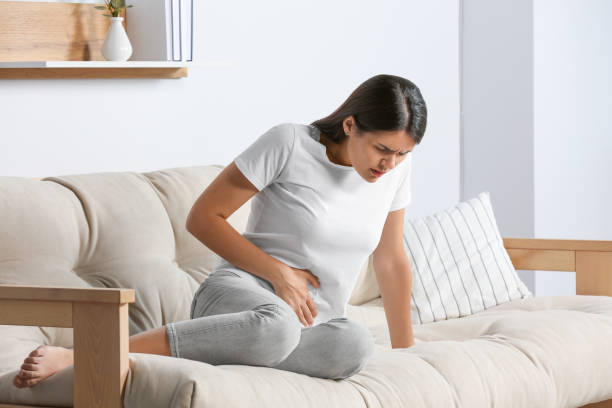
Endometriosis is a complex and often misunderstood condition that affects millions of individuals worldwide. Despite its prevalence, misinformation surrounding the disease continues to create barriers to proper diagnosis, treatment, and understanding. By addressing common myths and contrasting them with facts, we can foster greater awareness and empower those affected by endometriosis.
Myth 1: Endometriosis is Just a “Bad Period”
Fact:
Endometriosis is much more than severe menstrual cramps. It occurs when tissue similar to the lining of the uterus (endometrium) grows outside of it, leading to chronic inflammation, scarring, and often debilitating pain. While painful periods are a common symptom, the condition can also cause:
- Chronic pelvic pain
- Pain during or after sexual intercourse
- Bowel or urinary issues such as painful bowel movements or urination during menstruation
- Fatigue
Some individuals with endometriosis may not experience any symptoms at all, further complicating diagnosis.
Myth 2: Pregnancy Cures Endometriosis
Fact:
While pregnancy may temporarily relieve symptoms for some due to hormonal changes that suppress ovulation, it is not a cure. After childbirth or once menstruation resumes, symptoms often return. Treatment should focus on long-term management tailored to an individual’s needs rather than relying on pregnancy as a solution.
Myth 3: Endometriosis Only Affects Women
Fact:
Endometriosis primarily affects individuals assigned female at birth; however, transgender men and non-binary individuals can also develop the condition. Inclusive healthcare practices are crucial for ensuring all patients receive proper care and support.
Myth 4: Surgery Completely Removes Endometriosis Forever
Fact:
Surgery such as laparoscopic excision can significantly alleviate symptoms by removing visible lesions caused by endometrial-like growths. However, recurrence rates are high because the underlying factors driving the disease remain incompletely understood. Proper post-surgical care combined with medical therapies may help reduce recurrence risks.
Understanding Endometriosis Surgery in Washington DC: Myths vs. Facts
| Myth | Fact |
| Endometriosis only causes bad periods | It involves chronic pain beyond menstruation and systemic effects |
| Pregnancy cures endometriosis | Symptoms may improve temporarily but return postpartum |
| Hormonal treatments always work | Treatments vary; some respond better to surgery or lifestyle adjustments |
| Men cannot have endometriosis | Trans men and nonbinary people can also be affected |
Dispelling Myths About Finding an Endometriosis Doctor Washington DC
- Earlier Diagnosis: Many patients face years of misdiagnoses before receiving confirmation of their condition.
- Better Management Options: Understanding available treatments helps patients make informed choices in consultation with their healthcare providers.
- Improved Quality of Life: Dismissing myths encourages exploration of holistic management strategies that address both physical and emotional well-being.
Recognizing fact from fiction is an essential step toward improving outcomes for those living with this challenging condition.
Understanding Endometriosis with Insights from an Endometriosis Expert Washington DC
Endometriosis is a complex and often misunderstood condition that affects millions of individuals worldwide. Despite growing awareness, myths and misinformation surrounding the condition persist, leading to delays in diagnosis and inadequate care. Dispelling these myths is crucial to promoting better understanding, empathy, and support for those living with endometriosis.
Myth 1: Endometriosis is Just a “Bad Period”
One of the most pervasive myths about endometriosis is that it’s simply an exaggerated version of menstrual pain. However, this condition goes far beyond typical period discomfort.
Truth: – Endometriosis occurs when tissue similar to the lining of the uterus grows outside of it, causing inflammation, scarring, and even organ damage. – The pain associated with endometriosis can occur at any time during the menstrual cycle—not just during periods—and may vary from mild discomfort to debilitating levels. – Symptoms like fatigue, bowel or urinary issues, and infertility further distinguish endometriosis from typical menstrual cramps.
Myth 2: Pregnancy Cures Endometriosis
There is a widespread misconception that becoming pregnant can “cure” or significantly improve endometriosis symptoms.
Truth: – While some individuals may experience temporary symptom relief during pregnancy due to hormonal changes (such as increased progesterone), this is not a cure. – Symptoms often return after pregnancy or breastfeeding ends. – Relying on pregnancy as a treatment option can delay appropriate medical interventions.
Myth 3: Endometriosis Only Affects Older Women
Many people believe that endometriosis only affects women who are in their 30s or older, but this is far from accurate.
Truth: – Endometriosis can affect individuals as early as their first menstrual cycle (menarche) and impacts teens as well as young adults. – Early diagnosis is vital in managing symptoms and preventing complications later in life.
Myth 4: It’s Easy to Diagnose Endometriosis
Some think diagnosing endometriosis is straightforward because it’s a common gynecological issue. Unfortunately, this assumption overlooks the complexity of the disease.
Truth: – On average, it takes 7–10 years for many individuals to receive an accurate diagnosis due to vague symptoms resembling other conditions like IBS or pelvic inflammatory disease. – A definitive diagnosis often requires laparoscopic surgery since imaging scans may not detect all instances of endometrial lesions.
Why Busting Myths Matters
- Patients Can Advocate for Themselves: Accurate information empowers individuals to seek proper care and discuss symptoms openly with healthcare providers.
- Healthcare Providers Can Improve Diagnosis Rates: Greater awareness ensures doctors consider endometriosis earlier when evaluating pelvic pain or related symptoms.
- Society Gains Empathy: Dispelling myths reduces stigma while fostering understanding about what those with this condition endure daily.
| Myth | Reality |
| “It’s just bad cramps.” | Endometrial tissue growth causes widespread pain unrelated to regular menstruation cycles. |
| “Pregnancy cures it.” | Pregnancy may provide temporary relief but does not address underlying disease mechanisms. |
| “It affects only older women.” | Teens and young adults can also develop endometriosis; early intervention matters significantly. |
By fostering discussions rooted in facts rather than misconceptions, we create an environment where those living with endometriosis feel seen, heard, and supported throughout their healthcare journey.
Understanding Endometriosis: Insights from the Endometriosis Center Washington DC
Endometriosis is a complex medical condition that affects millions of individuals worldwide. Despite its prevalence, there is a significant amount of misinformation surrounding the condition. Dispelling common myths about endometriosis is critical for improving awareness, reducing stigma, and encouraging early diagnosis and treatment. Below, we address some widespread misconceptions and provide accurate information to empower those affected by the condition.
Myth 1: Endometriosis Is Just a “Bad Period”
One of the most pervasive myths is that endometriosis is simply an extreme form of menstrual discomfort. This misconception can lead to individuals dismissing their symptoms or delaying seeking medical attention. However, the truth is far more complex.
- Fact: Endometriosis occurs when tissue similar to the lining of the uterus (endometrium) grows outside the uterus, often on the ovaries, fallopian tubes, or other pelvic organs. This growth can cause chronic inflammation, severe pain, and even infertility.
- Key Differences: Unlike typical menstrual cramps, endometriosis pain can occur at any time during the menstrual cycle and may persist beyond menstruation.
Myth 2: Endometriosis Only Affects Reproductive Organs
Another misunderstanding is that endometriosis strictly impacts reproductive organs. While it primarily affects pelvic structures, it can extend beyond this area in certain cases.
- Fact: In rare instances, endometrial-like tissue has been found in distant parts of the body such as the diaphragm or lungs.
- Implications: Misconceptions about its location might limit proper diagnostic practices or delay care for less typical symptoms like chest pain or shortness of breath.
| Myth | Fact |
| Endometriosis affects only reproductive organs | It may affect other areas such as the bowel, bladder, diaphragm, or even lungs in rare cases |
Myth 3: Pregnancy Cures Endometriosis
The idea that pregnancy cures endometriosis remains a widely held belief despite being scientifically inaccurate.
- Fact: While hormonal changes during pregnancy may temporarily alleviate symptoms for some individuals due to reduced ovulation and menstruation, this effect is not permanent. Symptoms often return after childbirth.
- Takeaway: Treatment approaches should focus on individualized care rather than relying on pregnancy as a solution.
Why Dispelling Myths Matters
- Delayed Diagnosis: On average, it takes 7–10 years from symptom onset to receive an accurate diagnosis.
- Stigma: Misunderstandings may prevent open conversations about pain and reproductive health.
- Barriers to Care: Myths perpetuate stereotypes that marginalize those suffering from silent yet debilitating symptoms.
By addressing these myths with factual information backed by medical research and expert insights, we can create an informed community capable of supporting individuals living with endometriosis effectively.
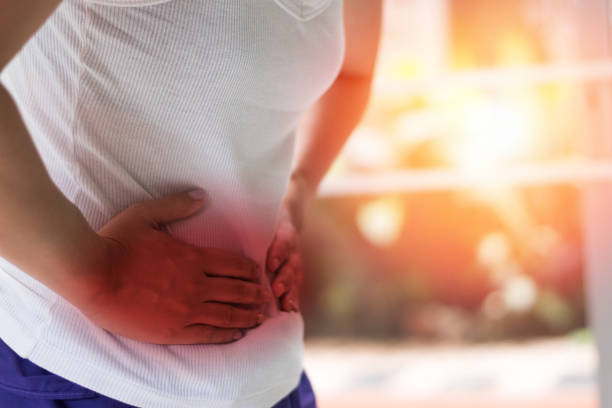
Understanding the Truth Behind Myth 1: Endometriosis Always Causes Pain
Endometriosis is a complex condition that impacts millions of individuals worldwide, yet it remains one of the most misunderstood health issues. A pervasive myth is that endometriosis always causes pain. While pain is one of the most common symptoms associated with this condition, it’s essential to explore why this belief does not universally apply and how it can lead to misunderstandings about the nature of endometriosis.
Why Endometriosis Does Not Always Cause Pain
- Not everyone with endometriosis experiences noticeable symptoms.
- Some individuals are diagnosed during investigations for infertility, without ever reporting pelvic discomfort or other hallmark signs.
- The severity of symptoms does not always correlate with the extent or stage of endometrial tissue growth.
- Individuals with extensive lesions might have mild or no pain, while those with minimal disease may suffer from debilitating symptoms.
- Pain perception varies significantly among individuals due to factors like genetics, stress levels, and overall health.
- The placement of endometrial lesions affects whether or not pain manifests. For example:
- Lesions near nerve endings and sensitive tissues may cause more discomfort.
- Growths in less reactive areas might go unnoticed for years.
Implications of Believing This Myth
- Delayed Diagnosis: Those without evident pain may dismiss their condition or have their concerns dismissed by healthcare providers, leading to delays in proper diagnosis and treatment.
- Mental Health Impact: People who don’t fit the “typical” symptom profile may feel invalidated in their experiences.
- Misguided Awareness Campaigns: Public health initiatives focusing solely on pelvic pain could overlook other critical aspects like infertility or bowel symptoms tied to endometriosis.
How Can We Better Understand This Condition?
| Symptom/Effect | Commonality | Notes |
| Pelvic Pain | Frequently reported | Often worsens during menstruation but not universal |
| Infertility | Many cases (~30-50% link) | May be undiagnosed until attempting conception |
| Fatigue | Highly reported | Chronic low energy linked to systemic inflammation |
| Gastrointestinal Symptoms | Common but often misdiagnosed as IBS | Includes bloating, diarrhea, constipation |
| Asymptomatic | Less common but significant | Diagnosis often incidental during surgeries |
Key Takeaways
- Endometriosis does not always manifest through pain; its presentation varies widely among individuals.
- Awareness and education should emphasize the full spectrum of associated symptoms rather than focusing solely on pelvic discomfort.
- Both healthcare providers and patients must remain vigilant about atypical presentations for earlier diagnosis and intervention.
By debunking myths like this one, we pave the way for better understanding and support for those living with this multifaceted condition.
Exploring Washington Endometriosis: Does It Improve Over Time?
One of the most pervasive myths surrounding endometriosis is that the condition improves or resolves on its own over time. This misconception can delay proper diagnosis and treatment, leaving many individuals to suffer unnecessarily. In reality, endometriosis is a chronic condition that typically requires active management tailored to each individual’s unique needs.
Why This Myth Persists
- Misunderstanding Hormonal Changes: Some people believe menopause will “cure” endometriosis because of the reduction in estrogen levels. However, in some cases, symptoms persist even after menopause.
- Inconsistent Symptom Patterns: For some individuals, symptoms may fluctuate over time, leading to the false impression that the condition is improving.
- Delayed Diagnosis: Many people live with undiagnosed endometriosis for years, often attributing symptom changes to other factors like stress or aging.
The Truth About Endometriosis Progression
- Endometriosis is a chronic condition where endometrial-like tissue grows outside the uterus.
- Without treatment or management, these lesions can continue to grow and cause complications.
- Estrogen typically fuels the growth of endometrial-like tissue, meaning symptoms may persist during reproductive years.
- Menopause does not guarantee relief; some individuals experience continued symptoms due to residual lesions or hormone therapy.
- If left untreated, endometriosis can lead to severe pelvic pain, infertility, and adhesions that affect surrounding organs like the bladder and bowel.
Evidence-Based Management Strategies
| Treatment Approach | Description | Effectiveness |
| Hormonal Therapy | Includes birth control pills, GnRH agonists/antagonists, or progestin-based treatments | Reduces estrogen-driven lesions |
| Pain Management | Use of NSAIDs (e.g., ibuprofen) for pain relief | Alleviates pain temporarily |
| Surgical Intervention | Laparoscopy to remove lesions and scar tissue | Improves fertility outcomes |
| Lifestyle Modifications | Regular exercise, anti-inflammatory diet | May reduce inflammation |
Key Takeaways
- Endometriosis does not naturally improve over time without medical intervention.
- Symptom patterns can vary but require long-term management tailored to individual needs.
- Evidence-based treatments such as hormonal therapy and surgery are effective in managing disease progression.
By addressing this myth with accurate information, we empower those living with endometriosis to seek timely care rather than relying on misconceptions about its natural course over time.
How to Prioritize Your Health When Living with Endometriosis
Living with endometriosis can be challenging, but prioritizing your health is essential for managing symptoms, improving your quality of life, and maintaining long-term well-being. This involves a combination of lifestyle changes, medical care, and mental health strategies. Below are practical steps and considerations to help individuals with endometriosis take control of their health.
1. Establish a Strong Support System
Having people who understand and support you makes a significant difference in coping with endometriosis.
– Build a healthcare team: Find an experienced gynecologist or specialist familiar with endometriosis treatment options.
– Join support groups: Sharing experiences with others facing similar challenges can provide validation, advice, and encouragement.
– Involve loved ones: Educate family members or close friends about the condition so they can offer emotional and practical support when needed.
2. Focus on Nutrition
What you eat can impact inflammation levels in the body and potentially ease some symptoms associated with endometriosis. Consider incorporating these dietary habits:
– Anti-inflammatory foods: Include foods like leafy greens, fatty fish (salmon), berries, turmeric, and nuts that may reduce inflammation.
– Limit processed foods: Avoid excessive consumption of processed snacks, sugary drinks, and foods high in saturated fats as they may exacerbate symptoms.
– Stay hydrated: Drinking plenty of water daily supports overall health and may help alleviate bloating caused by inflammation.
| Foods to Include | Foods to Avoid |
| Leafy greens | Processed snacks |
| Omega-3-rich fish | Red meats (in excess) |
| Whole grains | Fried or greasy foods |
| Fruits (berries) | Sugary beverages |
3. Manage Stress Effectively
Stress doesn’t cause endometriosis but can intensify its symptoms by affecting hormonal balance or increasing pain perception. Effective stress management techniques include:
– Mindfulness practices: Try meditation or deep breathing exercises to calm the mind and reduce anxiety.
– Physical activity: Low-impact exercises like yoga or swimming improve blood circulation while promoting relaxation. – Counseling or therapy: Speaking with a therapist trained in chronic illness management can help you develop coping strategies for emotional challenges.
4. Develop Healthy Physical Habits
Taking care of your body through movement and rest is critical for symptom relief:
– Get enough sleep: Aim for 7–9 hours each night to allow the body time to repair itself. – Exercise regularly: Engage in low-impact movements tailored to your comfort level; even light stretching can relieve pelvic tension. – Rest when needed: Listen to your body’s signals—overexertion may worsen fatigue or pain.
5. Stay Informed About Treatment Options
Endometriosis treatment is not one-size-fits-all; it often requires trial-and-error approaches tailored to individual needs: – Medical treatments such as hormonal therapies (e.g., birth control pills) are helpful for regulating cycles. – Surgery like laparoscopy may be recommended if other treatments fail or if severe adhesions develop. – Complementary therapies such as acupuncture might also assist in pain relief—consult your doctor before exploring alternative options.
6. Monitor Symptoms Regularly
Keeping track of how you feel day-to-day allows both you and your healthcare provider to better manage the condition: – Use symptom-tracking apps specifically designed for menstrual disorders. – Record key details like pain intensity/location/duration alongside factors such as diet changes or medications taken.
By developing self-awareness around recurring patterns within symptom flare-ups helps guide decision-making moving forward clarifying “what works best.”
Prioritizing oneself becomes empowering tool gaining healthier balance
How to Prioritize Your Health When Living with Endometriosis
Living with endometriosis can be physically and emotionally challenging, but taking a proactive approach to managing your health can make a significant difference. Below are actionable steps and strategies that can help prioritize your well-being while living with this condition.
Develop a Personalized Treatment Plan
Work closely with a healthcare provider to create a treatment plan tailored to your needs. This plan may include:
– Medications: Pain relievers, hormonal therapies, or other prescribed treatments.
– Surgical Options: In some cases, minimally invasive surgery might be recommended to remove endometrial lesions.
Regular follow-ups are essential to assess the effectiveness of your treatment and adjust it as necessary.
Adopt a Balanced Diet
While there is no specific diet for endometriosis, certain foods may help reduce inflammation and manage symptoms effectively:
– Anti-inflammatory Foods: Leafy greens, berries, turmeric, ginger, and fatty fish like salmon.
– High-Fiber Foods: Whole grains, legumes, fruits, and vegetables to support hormone regulation.
– Avoid Trigger Foods: Minimize processed foods, caffeine, alcohol, and high-sugar items that may exacerbate symptoms.
| Suggested Foods | Benefits |
| Leafy Greens | Reduce inflammation |
| Fatty Fish | High in omega-3s for pain management |
| Whole Grains | Support hormonal balance |
Manage Stress Levels
Living with chronic pain can increase stress levels, which may worsen symptoms over time. Consider incorporating stress-management techniques into your daily routine:
– Mindfulness Practices: Meditation or yoga can promote relaxation.
– Therapy or Counseling: Talking with a therapist can provide emotional support and coping strategies for managing the psychological effects of the condition.
Exercise Regularly at Your Own Pace
Engaging in physical activity—tailored to your energy levels—can improve circulation and alleviate some symptoms of endometriosis-related pain. Low-impact exercises such as walking, swimming, or Pilates are often well-tolerated and beneficial for many individuals.
Track Your Symptoms
Keeping a symptom journal can provide valuable insights into triggers or patterns linked to flare-ups. Key factors to track include:
1. Pain intensity and duration. 2. Menstrual cycle details. 3. Dietary habits. 4. Physical activity levels.
This information will not only help you better understand your body but also assist doctors in fine-tuning treatments.
Build a Support Network
Having people who understand what you’re experiencing is invaluable when dealing with chronic conditions like endometriosis:
– Join support groups (online or in-person) specifically for those living with endometriosis. – Lean on friends or family members for practical assistance during difficult periods.
Advocate for Yourself During Medical Appointments
Educating yourself about endometriosis empowers you to advocate for better care during medical appointments: – Prepare questions beforehand about treatment options or new symptoms. – Be open about how the condition impacts daily life so healthcare providers have a complete picture of your health needs.
By implementing these strategies into everyday life, individuals living with endometriosis can take meaningful steps toward maintaining their overall health while managing this complex condition effectively.
- Understanding Washington Endometriosis and the Need for Surgical Treatment
- Finding the Right Endometriosis Specialist in Washington DC: A Comprehensive Guide
- Understanding Washington Endometriosis: It’s More Than Just Bad Period Cramps
- Understanding Washington Endometriosis and Its Impact on Your Health
- Finding an Endometriosis Specialist in Washington DC: Myths and Facts You Should Know
- Endometriosis Surgery Washington DC: Comparing Ablation and Excision Treatments
- Understanding Endometriosis: Insights from an Endometriosis Specialist Washington DC